
Paralino mobile apps are now open source
Why
Development on Paralino started more than five years ago. It began as a small project for personal use, born out of a desire to share location with family members without giving it to large tech companies or advertising networks. A clean app that works well and keeps location data completely private was the ultimate goal.
After countless nights, weekends, and a tremendous amount of development effort that went into writing code and polishing the interface, that small project grew immensely. Paralino became much larger than originally planned, and today, the mobile apps have reached a state where they are ready for public code release.
People often ask why it took so long to open the source code if that was always the goal from day one. The simplest answer is that the focus was entirely on building actual features, making continuous improvements, and polishing the details. Now that the apps are stable and mature, the timing is perfect, and public source code is another great step for project transparency.
Transparency and trust
The source code for both the Android and iOS apps is now available on GitHub at github.com/paralino/paralino.
Claims about the use of end-to-end encryption and other privacy-first approaches are now no longer just claims. Open sourcing the code means anyone can inspect it, verify encryption claims, and see exactly how location data is handled.
What Paralino offers
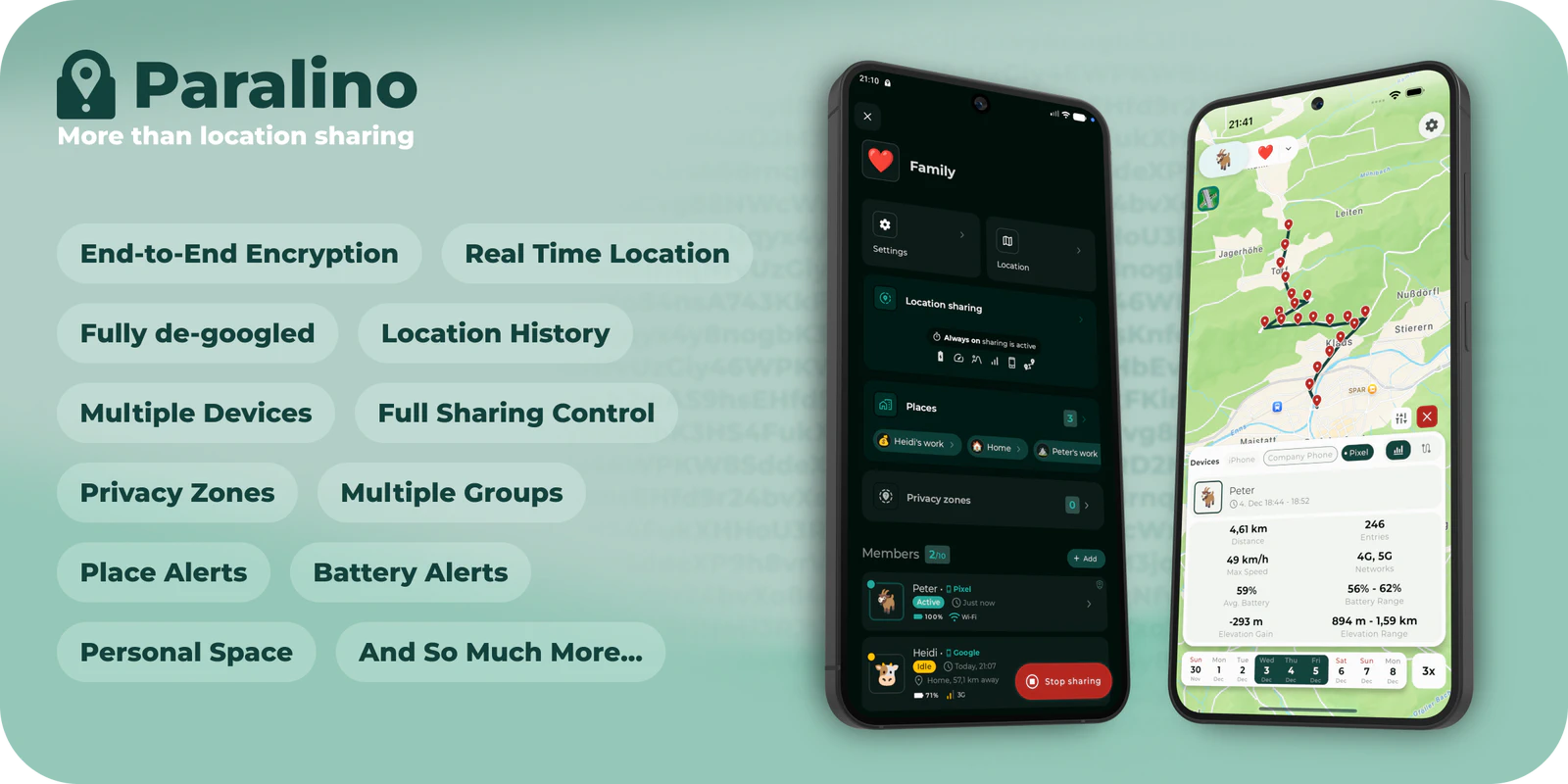
For those new to Paralino, the apps offer a comprehensive set of features designed to give users complete control over location sharing.
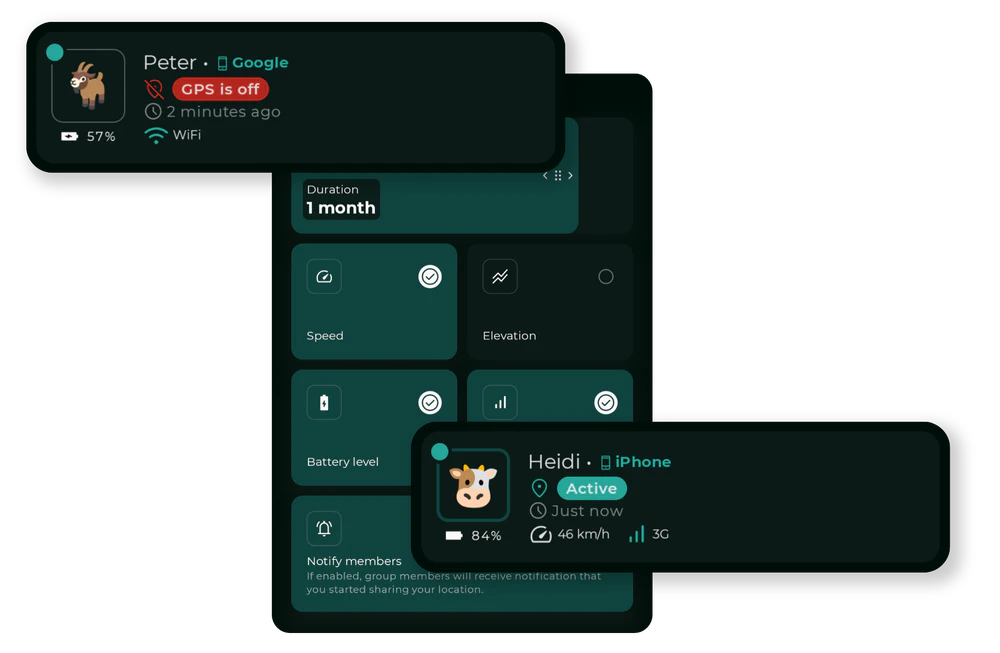
Location sharing happens in private groups for family or friends, where each group has its own independent settings. You can decide exactly what to share, whether that is speed, elevation, or battery level, and sharing can be set to stop automatically after a set period.
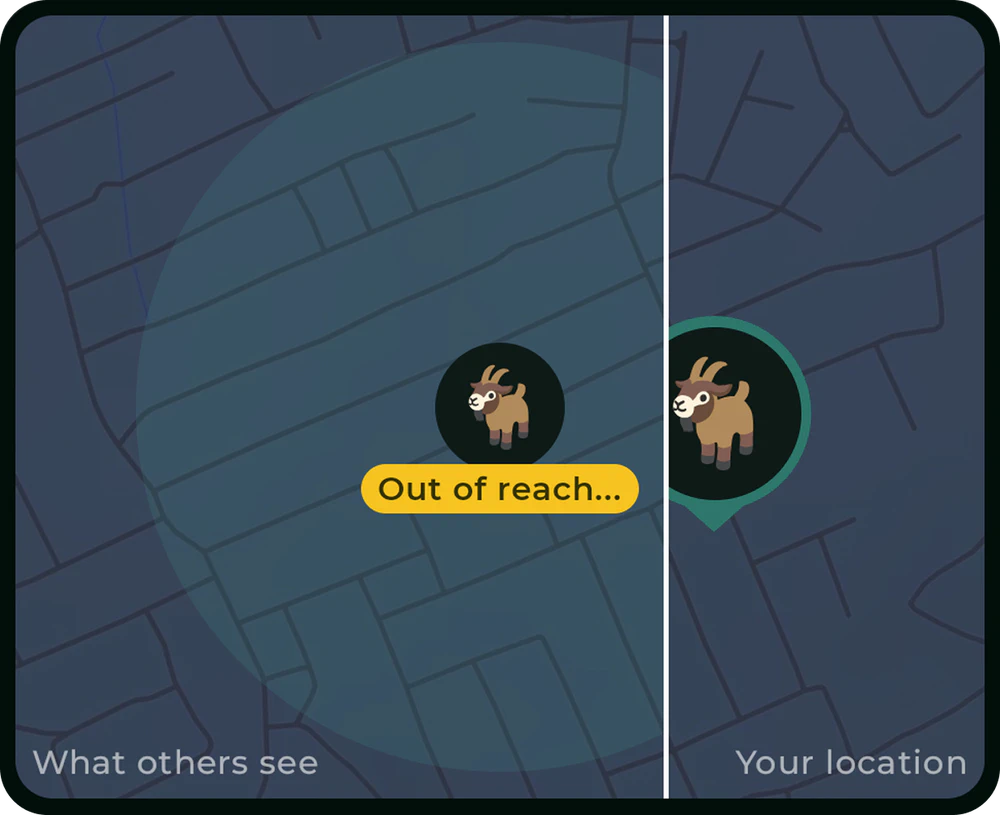
When privacy is a priority, sharing exact coordinates is not required, and you can get away with just sharing your approximate location instead. Or, you can set up privacy zones around places like the office, where the app automatically hides precise coordinates.
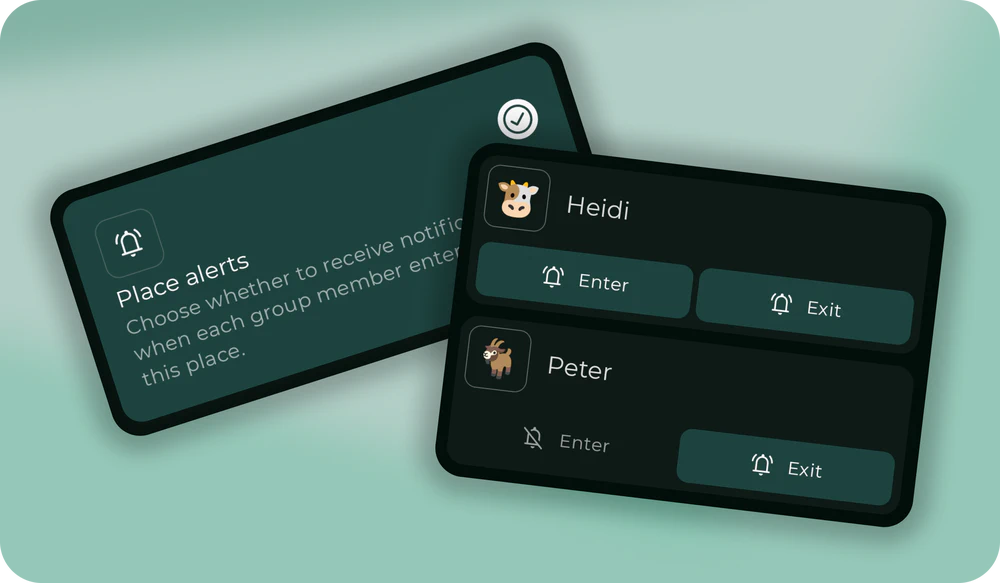
Paralino also supports geofenced place alerts to notify group members when someone arrives or leaves a specific area.
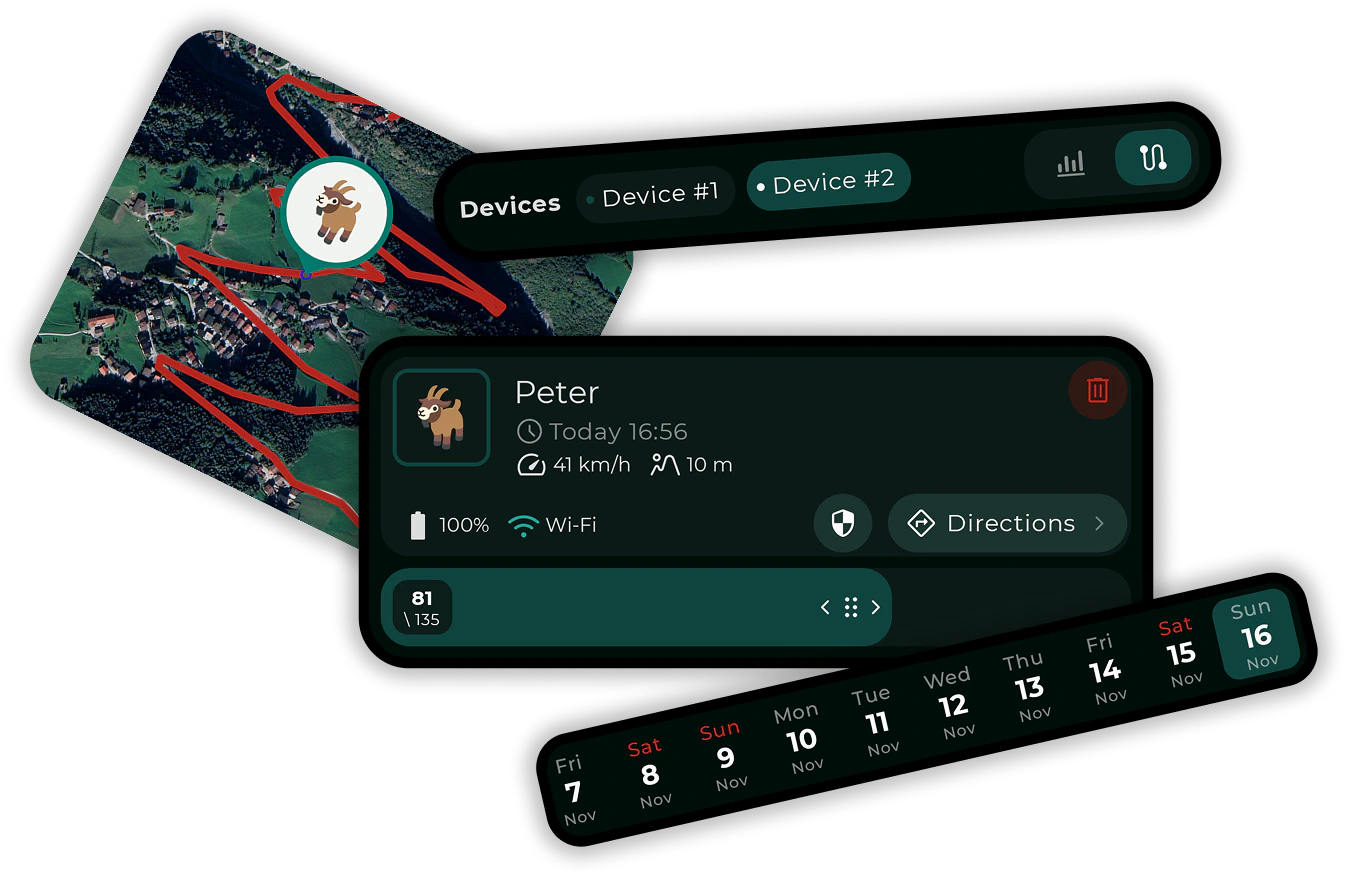
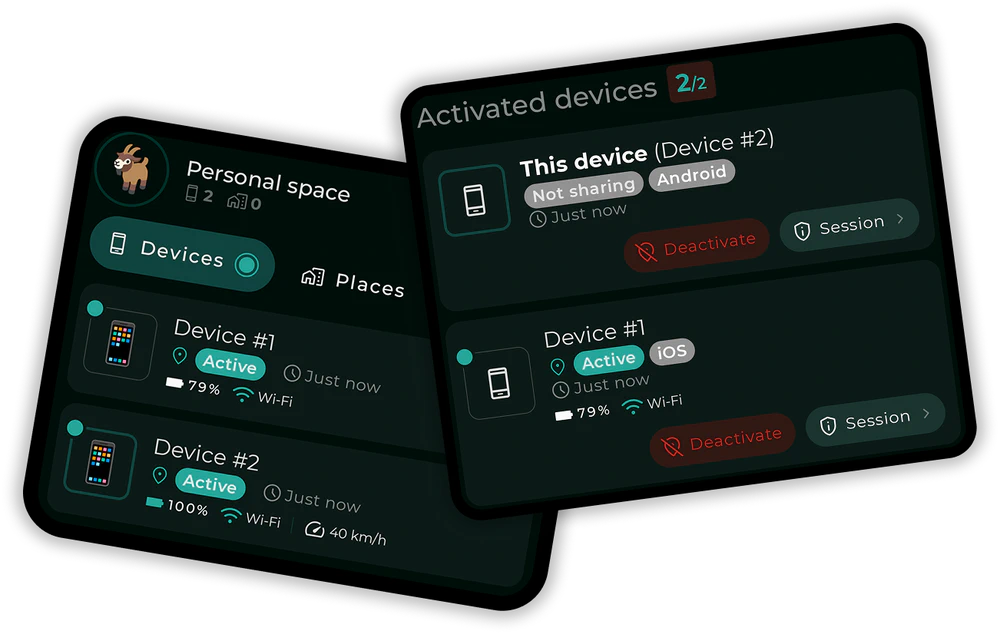
Past travels can be viewed in location history, and a dedicated personal space allows tracking personal devices without sharing them with anyone else.
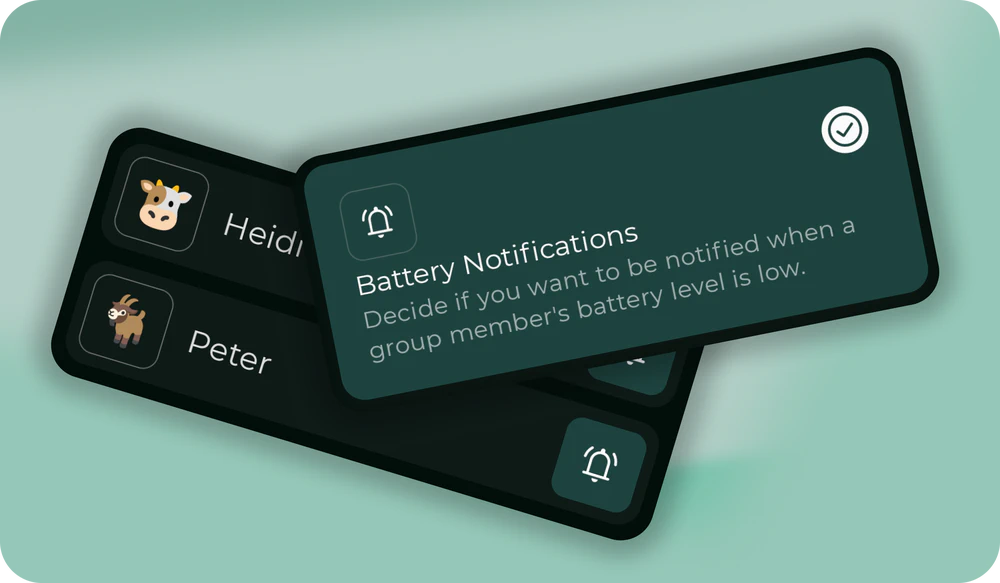
Real-time continuous tracking is available for live updates on the map, along with low battery alerts to keep everyone informed before a device runs out of power.
For Android users who prefer to avoid Google services, a separate de-googled version is available as a direct APK download. This variant uses MapLibre with OpenFreeMap and MapTiler for maps and all on-map content. AOSP Location Manager is there for location access, and instead of Firebase Cloud Messaging, the app relies on a direct background socket or UnifiedPush to deliver notification pings.
A long history of updates
Paralino has been updated constantly to introduce new capabilities and refine existing ones. Here is a summary of some of the most significant milestones and additions.
The journey began with basic location sharing within private groups and place alerts. Once the core was stable, battery alerts were introduced with low battery monitoring and manual, high-priority location requests to let users wake up a device when an immediate update is needed.
With the launch of the iOS app in February 2025, Paralino became fully cross platform. This milestone also brought support for imperial units, preferred navigation app integration for directions, and grouped notifications to keep lock screens clean.
After a lot of time in development, in the fall of 2025, personal space and location history features were introduced, allowing users to track their own devices privately and view past travels with detailed paths and timing. At this point, Paralino had support for 25 languages to make the app accessible to a wider audience.
To support users who value extreme privacy, a fully de-googled Android version was built. This version integrates MapLibre as an alternative mapping SDK, OpenFreeMap and MapTiler for map styles, and direct WebSocket push or UnifiedPush to completely eliminate Google Play Services dependencies.
Recent updates focused heavily on real-time tracking reliability and granular privacy. The real-time location engine was rebuilt to allow uninterrupted continuous tracking without manual refreshes, and an explicit continuous tracking opt-out was added. This was followed by approximate location sharing, and most recently, privacy zones, which let users automatically obscure their precise location in predefined areas.
And that is not even close to being all. There were lots of smaller features, fixes, and quality-of-life improvements. For a complete, detailed list of every single addition, visit the Changelog.
What is next
While open sourcing the mobile apps is a major milestone, development is far from over. In many ways, this feels like just the beginning. There is a long list of features, performance enhancements, and privacy tools planned for the future.
To see what is coming soon, vote on upcoming features, or suggest new ideas, check out the Paralino Public Roadmap.
To everyone who has been a part of this exciting journey, thank you for your support, feedback, trust, patience, and all the encouragement. Paralino would not be where it is today if it were not for you.
❤️